
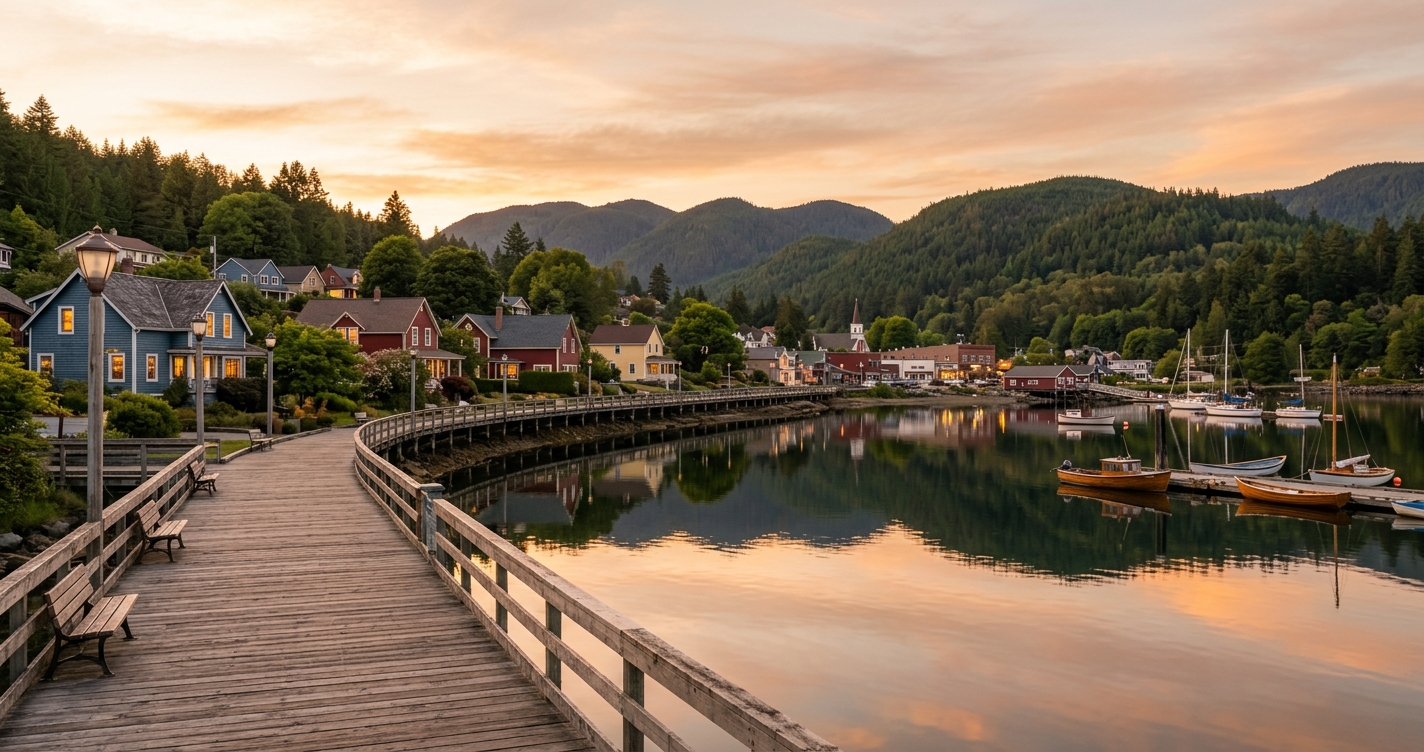
Best Places to Retire in Canada A Practical Guide for 2026
If you are within a decade of hanging up your work boots, the "where" of retirement matters almost as much as the "when." Canada is a big country with wildly different lifestyles depending on the postal code — a mild winter on Vancouver Island looks nothing like a January morning in Winnipeg, and a $400K detached home in Moncton does not exist in Victoria.
This guide walks through the trade-offs honestly. No city is perfect for everyone, but a few stand out in 2026 for the combination of housing affordability, healthcare access, and quality of life that retirees actually care about.
What Actually Matters When You Choose a Retirement City
Before you fall in love with a photo of the Okanagan, run through this short checklist. The retirees we hear from say these are the factors that quietly make or break the move:
- Housing cost vs. equity from your current home. If you are selling in Toronto or Vancouver, almost anywhere east of Ontario looks cheap. If you are staying within your home province, sticker shock cuts both ways.
- Family doctor availability. This is the unglamorous deal-breaker. Some provinces have multi-year waitlists for a GP. Ask before you sign anything.
- Distance to your kids and grandkids. A two-flight trip every Christmas wears thin faster than you would think.
- Climate honesty. Be realistic about whether you will still want to shovel snow at 75.
- Walkability and transit. Driving everywhere is fine at 60. At 80, a walkable downtown becomes a quality-of-life upgrade.
The West Coast Victoria, Kelowna, and the Comox Valley
British Columbia consistently tops "best places to retire" lists, and there is a reason: mild winters, ocean or lake access, and a culture that already caters to active retirees. The catch is price.
Victoria is the marquee choice — walkable, temperate (snow is a rare event), and packed with cultural amenities. Expect detached homes well over $1M in desirable neighbourhoods, though condos and townhouses are more reachable. Kelowna trades ocean for lake and gives you wine country, hot dry summers, and a faster-growing retirement community, but housing has climbed sharply over the past few years.
If those two are out of budget, look at the Comox Valley on Vancouver Island. Same mild climate, a quieter pace, and prices that — while no longer cheap — sit notably below Victoria.
The Prairies Edmonton, Saskatoon, and Winnipeg
Prairie cities do not make glossy retirement brochures, and that is their advantage. Detached homes under $500K are still realistic, and Alberta has no provincial sales tax, which adds up over a 25-year retirement.
Edmonton offers strong healthcare infrastructure, a decent transit system, and surprisingly active arts and food scenes. Saskatoon punches above its weight for a prairie city — riverside paths, a respected university, and housing that genuinely qualifies as affordable. Winnipeg is the dark horse: cultural depth (Royal Winnipeg Ballet, world-class museums), cheap housing, and a tight-knit retirement community. The honest trade-off is winter — long, cold, and not for the climate-sensitive.
Ontario Beyond Toronto's Price Tag
You do not have to live in the GTA to retire in Ontario, and most retirees should not. The province's smaller cities offer the same healthcare system at a fraction of the housing cost.
Kingston balances waterfront living with a university-town energy that keeps things lively. Niagara-on-the-Lake is postcard-pretty and well-served by hospitals in the Niagara region, though the small-town premium has crept into housing. Stratford draws retirees who care about the arts — the Stratford Festival anchors a cultural scene most cities its size cannot touch. Ottawa sits in a separate category: federal-worker pensions, strong healthcare, and four real seasons including a serious winter.
Atlantic Canada Halifax, Charlottetown, and Moncton
The East Coast has become Canada's quiet retirement story. Prices are still well below national averages in much of the region, the pace is slower, and the communities are notably welcoming to newcomers.
Halifax is the urban anchor — a working harbour, decent transit, hospitals, and growing food and arts scenes. Charlottetown suits anyone who wants a genuinely small-town feel without giving up basic amenities; PEI is compact enough that you are never more than an hour from anything. Moncton is the value pick — among the cheapest housing in any Canadian city of its size, bilingual culture, and a senior population that has been growing for a decade. The Atlantic catch: winters here are wet and windy rather than dry-cold, and family doctor access has been tight in pockets of all three provinces.
Quebec City Underrated If You Speak Some French
Quebec City rarely makes English-language retirement lists, which is a mistake. Cost of living runs well below Montreal, the old city is genuinely beautiful, healthcare is solid, and the cultural calendar is full year-round. The honest filter is language — daily life works much better with functional French, and provincial services default to French. If that is a stretch for you, it is probably not the right fit. If you already speak it, few cities in North America offer this much character at this price.
Quick Comparison Affordable vs. Premium
To simplify the decision, here is how the cities cluster in 2026:
- Premium (detached homes generally $900K+): Victoria, Kelowna, Canmore, Niagara-on-the-Lake
- Mid-range ($550K - $850K): Comox Valley, Kingston, Halifax, Ottawa, Stratford
- Affordable (under $500K still realistic): Edmonton, Saskatoon, Winnipeg, Charlottetown, Moncton, Quebec City
"Affordable" is relative — these numbers would still feel high to someone retiring 15 years ago. But compared to the GTA and Lower Mainland, they leave room in the budget for the things retirement is supposed to be about.
More on this topic: How to Choose the Best Term Life Insurance in Canada · How Much Does a Funeral Cost in Canada in 2026 · The Quebec will that spares your family a trip to court
Frequently Asked Questions
What is the cheapest province to retire in Canada?
New Brunswick is generally the most affordable, with Moncton and Fredericton offering detached homes well below the national average. PEI and parts of Saskatchewan and Manitoba are also strong value plays.
Which Canadian city has the best healthcare for seniors?
There is no single winner — all provinces use public healthcare — but cities with teaching hospitals and shorter family doctor waitlists tend to score best. Ottawa, Halifax, Edmonton, and Kingston all have strong reputations.
Is Victoria too expensive to retire in?
For many retirees, yes — at least for detached homes in central neighbourhoods. But condos, townhomes, and nearby communities like Sidney or Sooke remain reachable. The mild climate keeps it on most shortlists despite the cost.
Should I retire near my kids or somewhere I want to live?
Both, ideally. Most retirees we hear from regret moving more than a two-hour drive from at least one adult child. If you are choosing between climate and family proximity, family usually wins after a few years.
When should I decide where to retire?
Five to ten years out is the sweet spot. That gives you time to visit candidate cities in different seasons, line up a family doctor, and make the move while you still have the energy to enjoy the transition.
Wherever you settle, your retirement plan should include the right life insurance to protect a spouse, leave a legacy, or cover final expenses without burdening the family. It is the one financial decision that becomes harder — and more expensive — the longer you wait, so it is worth locking in coverage before the move, not after.